Table of Contents
Alcohol is often seen as a social staple, but behind the glass lies a substance with profound health implications. From its impact on the brain and body to its role in long-term diseases and accidents, alcohol carries risks that are often overlooked or underestimated. This article explores 28 critical facts that highlight the darker side of drinking, shedding light on the dangers, health consequences, and societal costs associated with alcohol consumption.
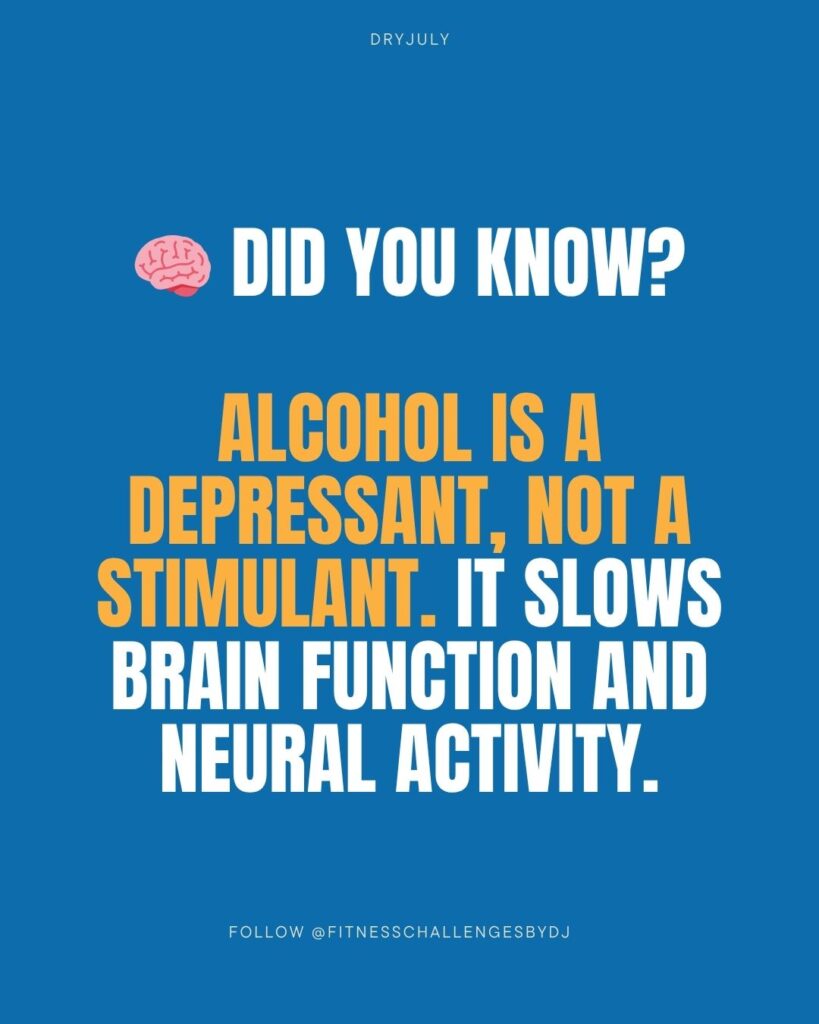
1: Alcohol is a depressant, not a stimulant
Alcohol is a depressant, not a stimulant. It slows brain function and neural activity.
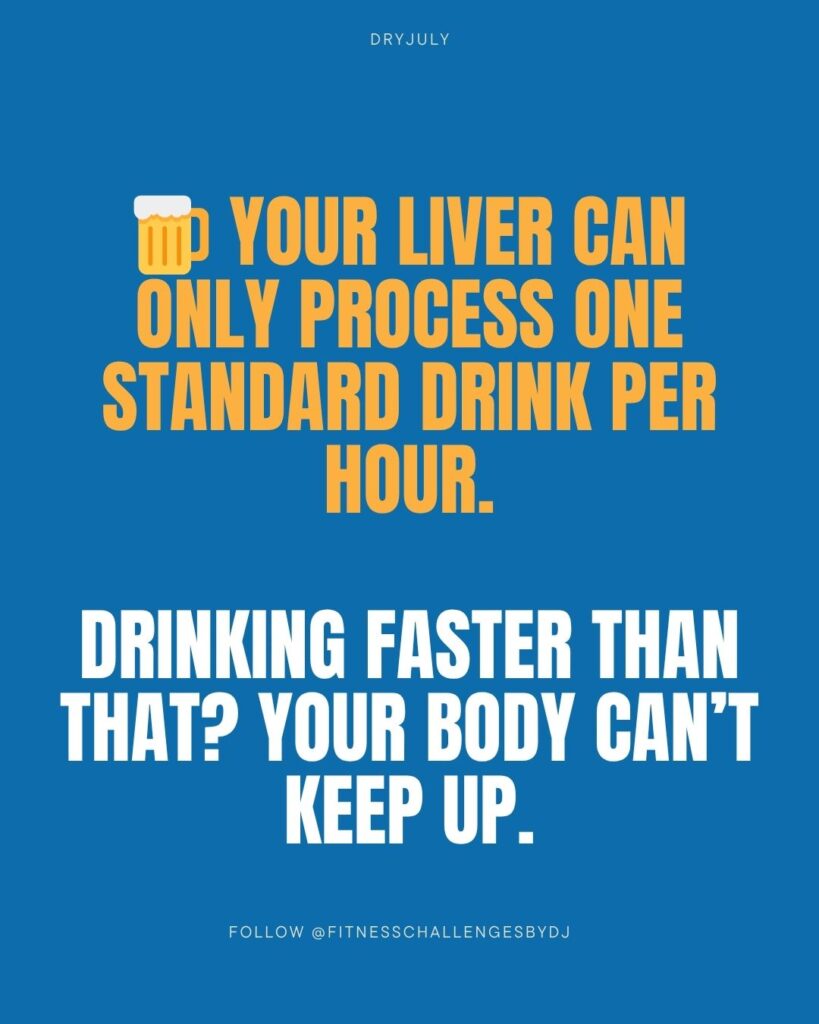
2: Your liver can only process one standard drink per hour
Your liver can only process one standard drink per hour. Drinking faster than that? Your body can’t keep up.
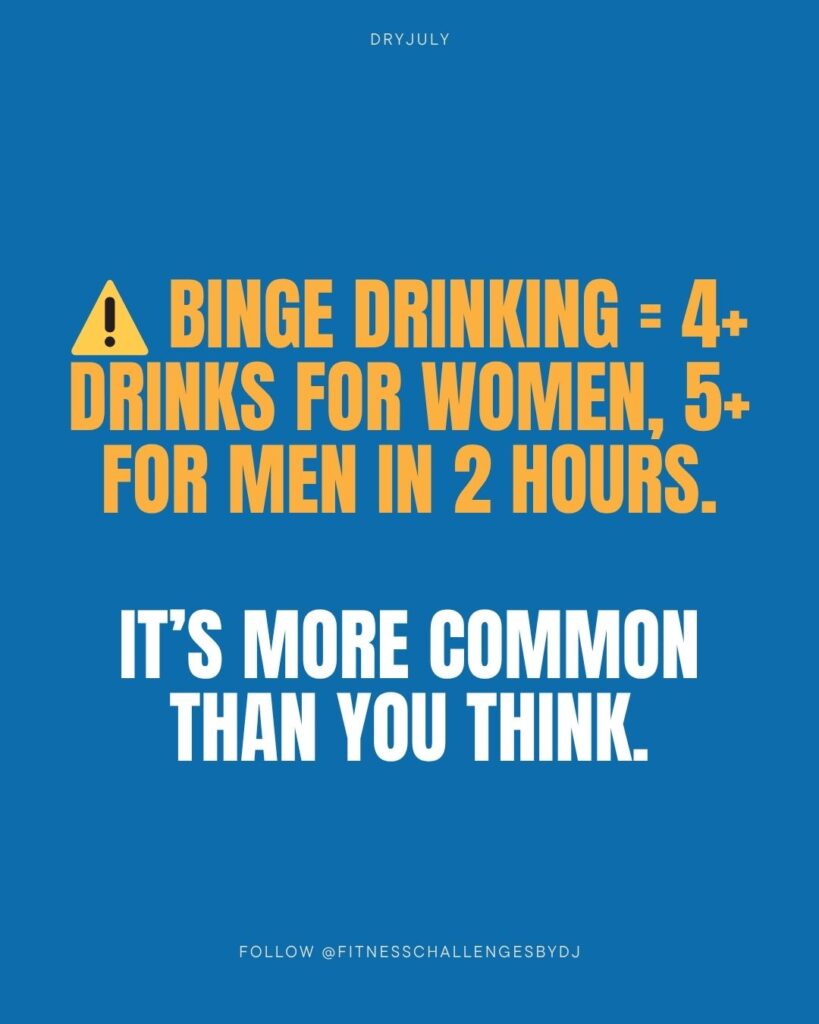
3: What constitutes binge drinking
Binge drinking = 4+ drinks for women, 5+ for men in 2 hours. It’s more common than you think.
4: Alcohol affects every organ in your body
Alcohol affects every organ in your body — not just your liver.
5: It takes just 6 minutes for alcohol to reach your brain
It takes just 6 minutes for alcohol to reach your brain.
6: Alcohol is linked to over 200 diseases and injuries
Alcohol is linked to over 200 diseases and injuries.
It’s not just about hangovers.
7: 1 in 20 deaths worldwide is alcohol-related
1 in 20 deaths worldwide is alcohol-related.
That’s over 3 million people each year.

8: What constitutes moderate drinking?
Moderate drinking = 1 drink/day for women, 2 for men.
More than that? It’s not “moderate.”
9: Alcohol may help you fall asleep, but…
Alcohol may help you fall asleep — but it disrupts deep sleep.
10: Alcohol increases inflammation in the body
Alcohol increases inflammation in the body, which can contribute to chronic diseases like heart disease and arthritis.
11: Alcohol is a Group 1 carcinogen
Alcohol is a Group 1 carcinogen — same category as tobacco and asbestos.
12: Alcohol can shrink your hippocampus
Alcohol can shrink your hippocampus, the brain’s memory center.
13: Cutting back on alcohol can improve your mood, energy, skin, and sleep
Cutting back on alcohol can improve your mood, energy, skin, and sleep — often within just a few weeks.
14: Mixing alcohol with energy drinks can mask intoxication.
Mixing alcohol with energy drinks can mask intoxication.
You feel alert, but you’re still impaired.
15: Alcohol is a diuretic — it dehydrates you.
Alcohol is a diuretic — it dehydrates you.
That’s one reason hangovers hit hard.

16: Hangovers are partly caused by acetaldehyde.
Hangovers are partly caused by acetaldehyde, a toxic byproduct of alcohol.
17: Alcohol can increase anxiety and depression over time.
Alcohol can increase anxiety and depression over time.
It’s not the stress reliever it seems.
18: Long-term alcohol use can lead to cognitive decline and memory problems.
Long-term alcohol use can lead to cognitive decline and memory problems — even in moderate drinkers.
19: Alcohol can raise your blood pressure.
Alcohol can raise your blood pressure and increase the risk of heart attack and stroke.

20: Why you should track your alcohol intake.
People who track their alcohol intake are more likely to reduce consumption and make healthier choices.
Awareness = power.
21: Alcohol can hinder muscle recovery and athletic performance.
Alcohol can hinder muscle recovery and athletic performance, even in small amounts.
Fitness and drinking don’t mix well.

22: Alcohol weakens your immune system.
Alcohol weakens your immune system, making you more vulnerable to illness.

23: Red wine has antioxidants. But…
Red wine has antioxidants — but the health benefits are often overstated.

24: Women feel alcohol’s effects faster than men.
Women feel alcohol’s effects faster than men due to body composition and metabolism.

25: Zero alcohol is safest for cancer prevention.
Zero alcohol is safest for cancer prevention.
Even small amounts increase risk.

26: Alcohol can interfere with medications and worsen side effects.
Alcohol can interfere with medications and worsen side effects.
Always check with your doctor.

27: Even small amounts of alcohol can impair decision-making and impulse control.
Even small amounts of alcohol can impair decision-making and impulse control, especially in social settings.

28: Building tolerance doesn’t mean you’re safe.
Building tolerance doesn’t mean you’re safe — it means you’re at risk of dependence.

Challenge yourself to go dry.
Commit to my 28 Day Dry Challenge


